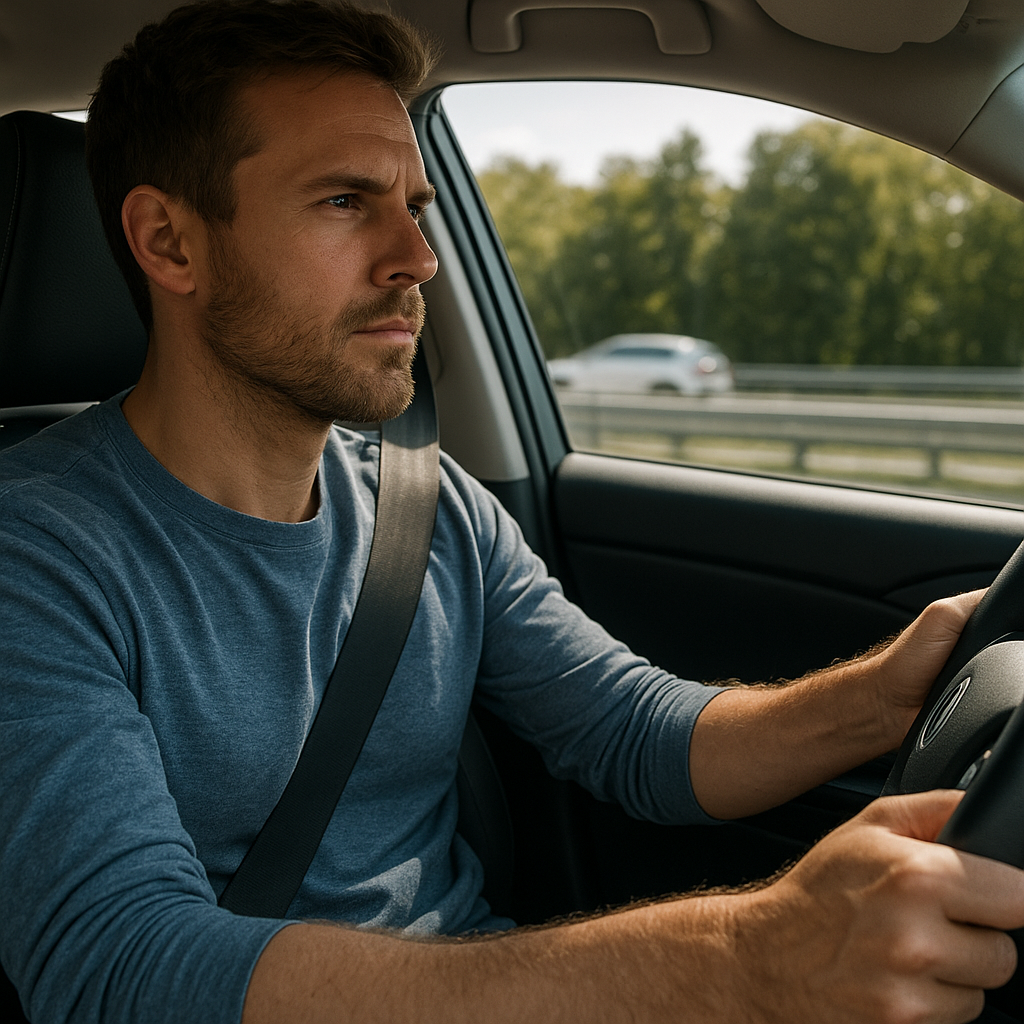
Long drives often turn into tedious stretches of silence or endless scrolling. Finding engaging car ride games for adults shifts that dynamic completely. The concept revolves around interactive entertainment designed to keep passengers alert, spark conversation, and make miles vanish. Unlike childhood pastimes, modern formats prioritize strategy, humor, and shared storytelling. Travelers no longer rely on cassette tapes or paper maps to pass the time. Instead, they use structured activities that fit the rhythm of highway cruising. The core terminology involves route pacing, cabin engagement, and analog mechanics. These elements solve the universal problem of transit fatigue without requiring heavy equipment or constant screen exposure.
How Road Trip Games Evolved From Paper Maps to Digital Hybrids
Decades ago, vehicle entertainment meant spotting license plates or reciting multiplication tables. The shift toward adult-focused formats happened as travel habits changed and attention spans fragmented. Organizers now blend analog rules with mobile timers, turning traditional guessing mechanics into fast-paced rounds. Progress in audio technology and connectivity allowed creators to layer voice prompts over background playlists. What once required a bulky trivia book now fits inside a smartphone app or a printed card deck. The transformation reflects how leisure travel matured alongside digital culture. Shared attention on the open road builds a different kind of rapport than office meetings ever could. Groups that adapt quickly to shifting route conditions maintain higher satisfaction levels throughout the journey.
Curating the Best Road Trip Games for Mixed Groups
Selecting activities for mixed demographics requires balancing complexity with accessibility. The most reliable options avoid heavy scoring and instead reward participation. Groups typically rotate through formats every ninety minutes to maintain momentum. Popular structures include:
- Category chains where each player adds an item fitting a shared theme
- Collaborative storytelling with mandatory plot twists
- Observation challenges tied to highway signage and landscape shifts
- Trivia rounds using preloaded regional history or pop culture prompts
Travelers who treat the journey as the main event consistently rate their trips higher than those who only value the destination.
Why Car Games Adults Choose Often Skip Screens
Extended screen exposure causes eye strain and motion sickness during transit. Many passengers deliberately opt for analog mechanics that keep eyes on the horizon. Voice based formats eliminate the need to read small print while navigating curves. This preference explains why compact rulebooks and audio decks dominate retail shelves near rest stops. Organizers also favor activities that scale easily, allowing three to eight participants without complex equipment. Flexibility matters more than production value when weather changes or detours stretch the schedule. Successful outings depend on preperations rather than improvisation. Drivers should preview rules before departure to avoid mid-route explanations. Packing a dedicated pouch for scorecards and prompt cards keeps the cabin uncluttered. Groups that rotate leadership roles report fewer disputes over scooring.
Industry analysts track entertainment trends across North American travel corridors, noting steady growth in analog leisure sales during peak migration months. Market reports from Forbes Travel Analytics highlight shifting consumer behavior toward screen-free transit habits. Additional data from the Statista Mobility Dashboard confirms rising demand for portable activity kits. Источник: bbc.com
Planning a Seamless Car Games Roadtrip Experience
The rhythm of play usually mirrors fuel stops, creating natural pause points for snacks and stretches. Maintaining a lighthearted atmosphere prevents competitive fricton during extended hauls. Route planners often match activity difficulty to traffic density, saving complex rounds for open highway stretches. Modern transit culture treats passenger engagement as a measurable metric for overall trip quality. The shift from passive riding to active participation reflects broader changes in how people manage leisure time. Travelers who invest in structured cabin dynamics experience fewer complaints about navigation stress or scheduling delays. The open road remains a unique space where shared rules replace daily routines.