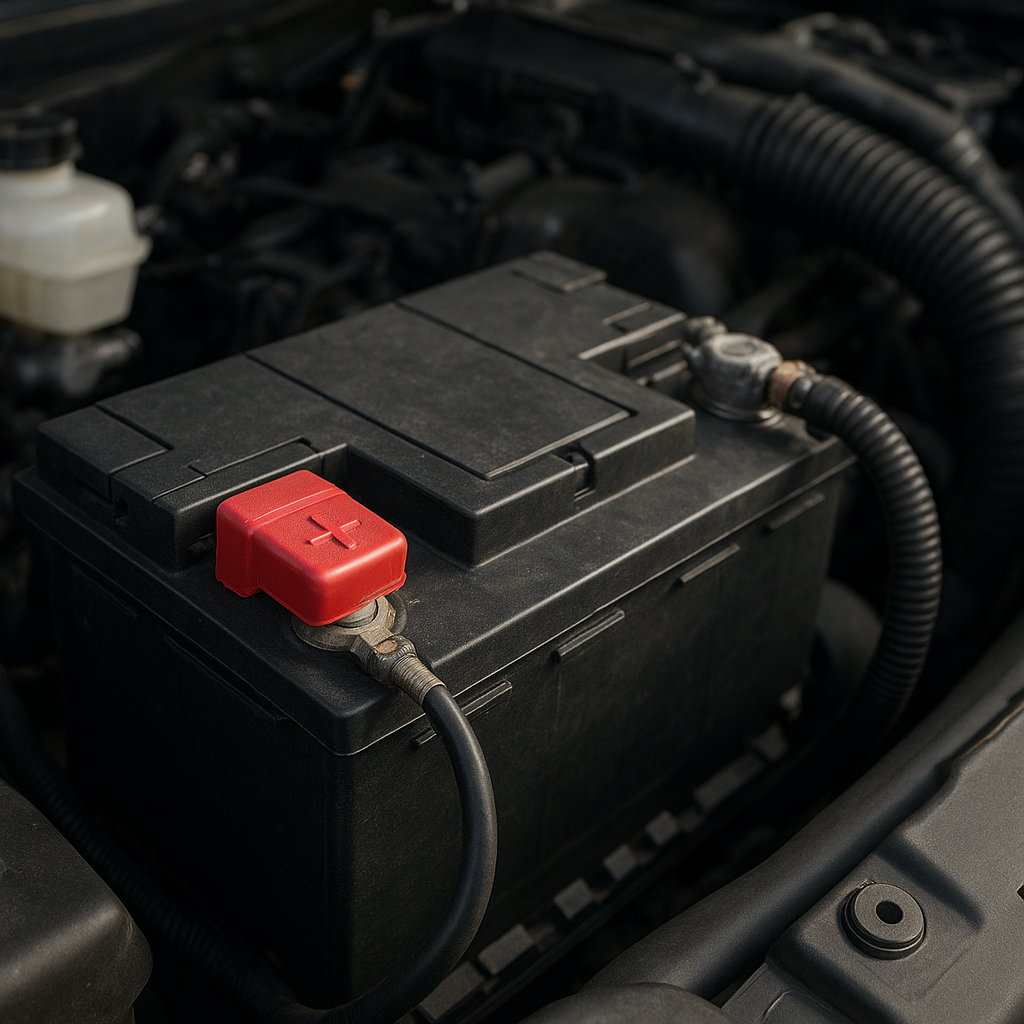
Every driver eventually faces the moment when turning the key brings nothing but a weak click or a silent dashboard. Understanding the real service window becomes essential once you recognize the basic components at work. The starter system relies on cold cranking amps to spin the engine, while the charging unit takes over to replenish the cells once the motor runs. Over the past two decades, automotive electrical demands have shifted dramatically. Modern cars pack dozens of sensors, infotainment screens, and start-stop mechanisms that drain power constantly. This progression means older lead-acid designs struggle to keep pace, pushing manufacturers toward absorbed glass mat and lithium variants. The actual lifespan depends heavily on daily habits, ambient temperature, and how often the alternator gets a chance to fully top off the plates.
How Long Does A Car Battery Last When You Drive Regularly
Most sealed units survive between three and five years under normal commuting patterns. Short trips prevent the charging system from fully recovering the voltage drop, which accelerates plate sulfation. Fleet data from recent years shows a steady decline in average longevity compared to the nineteen nineties, when vehicles carried fewer parasitic loads. Back then, a simple flooded design could easily push past six years with minimal attention. Today, the electrical architecture requires tighter inspection schedules and cleaner terminal connections. If a driver ignores early warning signs like dimming headlights or sluggish cranking, the unit will fail prematurely regardless of the brand. Regular load testing helps catch capacity loss before the winter cold hits.
How Long Do Car Batteries Last In Harsh Weather Zones
Temperature swings play a massive role in degradation rates. Extreme heat speeds up internal chemical reactions and evaporates electrolyte levels, while bitter cold thickens engine oil and demands higher amperage for ignition. Regions with consistent summer highs above ninety degrees often see replacements every two and a half years. Coastal humidity introduces salt corrosion that eats through cable clamps, creating resistance in the circuit. Conversely, northern territories experience brutal winter starts that stress the internal plates. The progression of thermal management technology has helped, but ambient conditions still dictate the real-world timeline. A simple rule applies: the harsher the climate, the shorter the usable window. Tracking these variables helps owners avoid sudden breakdowns and plan replacements ahead of schedule. Additional technical guidelines can be reviewed through official service networks like the AAA Battery Guide and NAPA Auto Care Resources. For historical industry benchmarks, check archived data from manufacturers. Источник: bbc.com
| Usage Scenario | Expected Window | Primary Risk Factor |
|---|---|---|
| Daily Highway Commute | Four to five years | Minimal recharge cycles |
| Frequent Short Trips | Two to three years | Chronic undercharging |
| Hot Desert Climates | Two and a half to three years | Electrolyte evaporation |
| Subzero Northern Zones | Three to four years | Reduced chemical efficiency |
Drivers can extend the service life by checking terminal tightness twice a year and running a multimeter across the posts to catch voltage drops early. Keeping the exterior casing free of debris prevents tracking and ground faults. Many garages now offer free capacity checks that measure actual output against factory specs.
- Monitor the warranty period, as most manufacturers cover defects up to thirty-six months
- Avoid leaving dome lights or interior accessories powered while the engine sits
- Replace cables showing heavy corrosion instead of just cleaning them
- Consider a trickle maintanance device during extended storage periods
Electrical systems age faster when vehicles sit idle for weeks. The alternater cannot compensate for natural self-discharge, and deep cycling permanently reduces reserve capacity.